BUILD BETTER
SKATING.
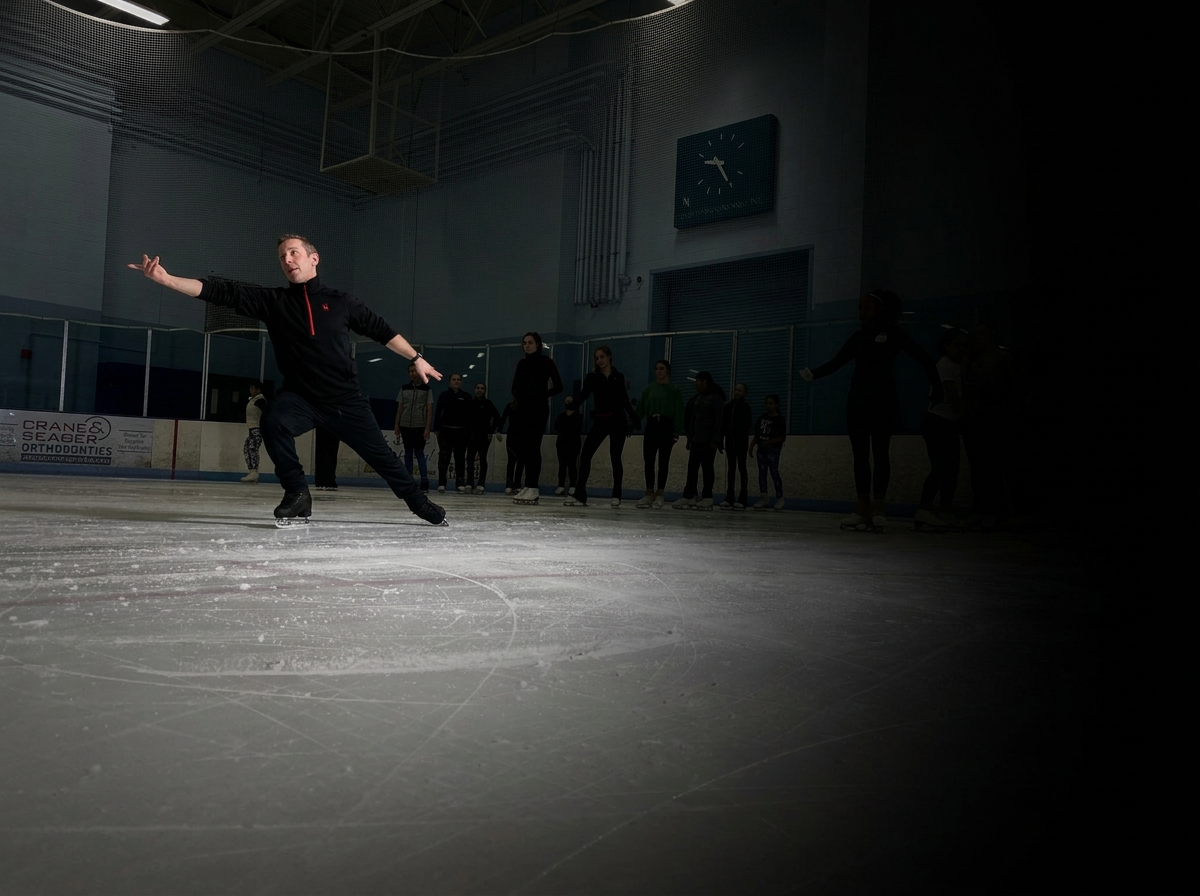
2× U.S. National Bronze Medalist · 2× World Team Member · Champions on Ice Performer
Technical instruction, choreography and performance development for skaters of all levels, backed by more than 35+ years of skating and coaching experience.
2× NATIONAL BRONZE MEDALIST


2× WORLD TEAM MEMBER
2000 AMERICAN OPEN CHAMPION

CHAMPIONS ON ICE PERFORMER

THREE WAYS TO WORK WITH ───────── COACH DAN ──────────
TRAIN. CREATE. CONNECT.
PRIVATE LESSONS
Personalized instruction focused on technique, performance and helping each skater reach their individual goals.
LEARN MORE →
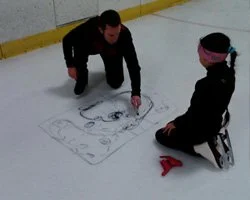
COACHING & CHOREOGRAPHY
Technical coaching and creative choreography for competitive, test and exhibition programs.
LEARN MORE →
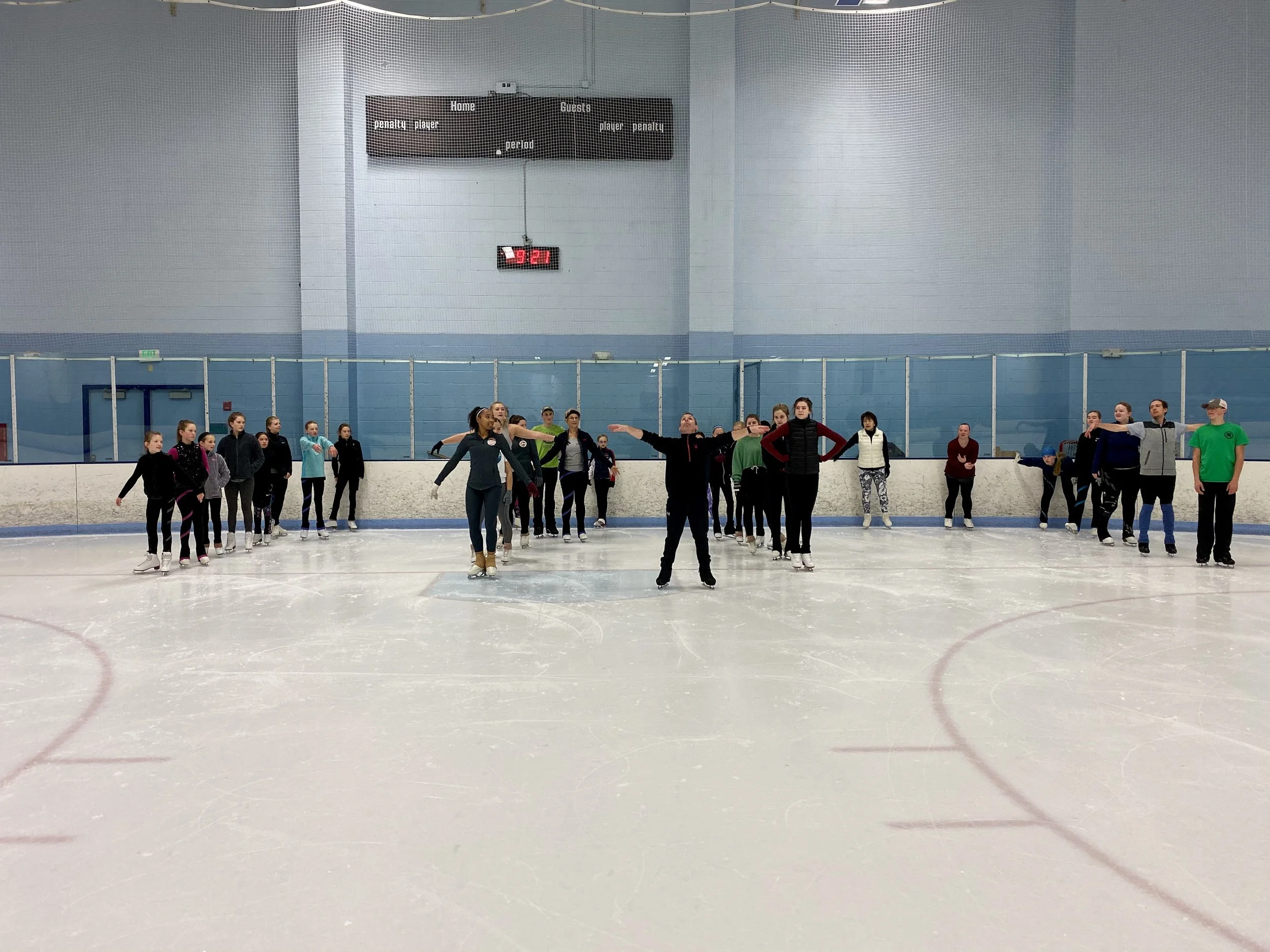
SEMINARS
Engaging seminars for skaters, coaches and clubs combining technical instruction, performance and fun.
LEARN MORE →
──────────── PRIVATE LESSONS ────────────
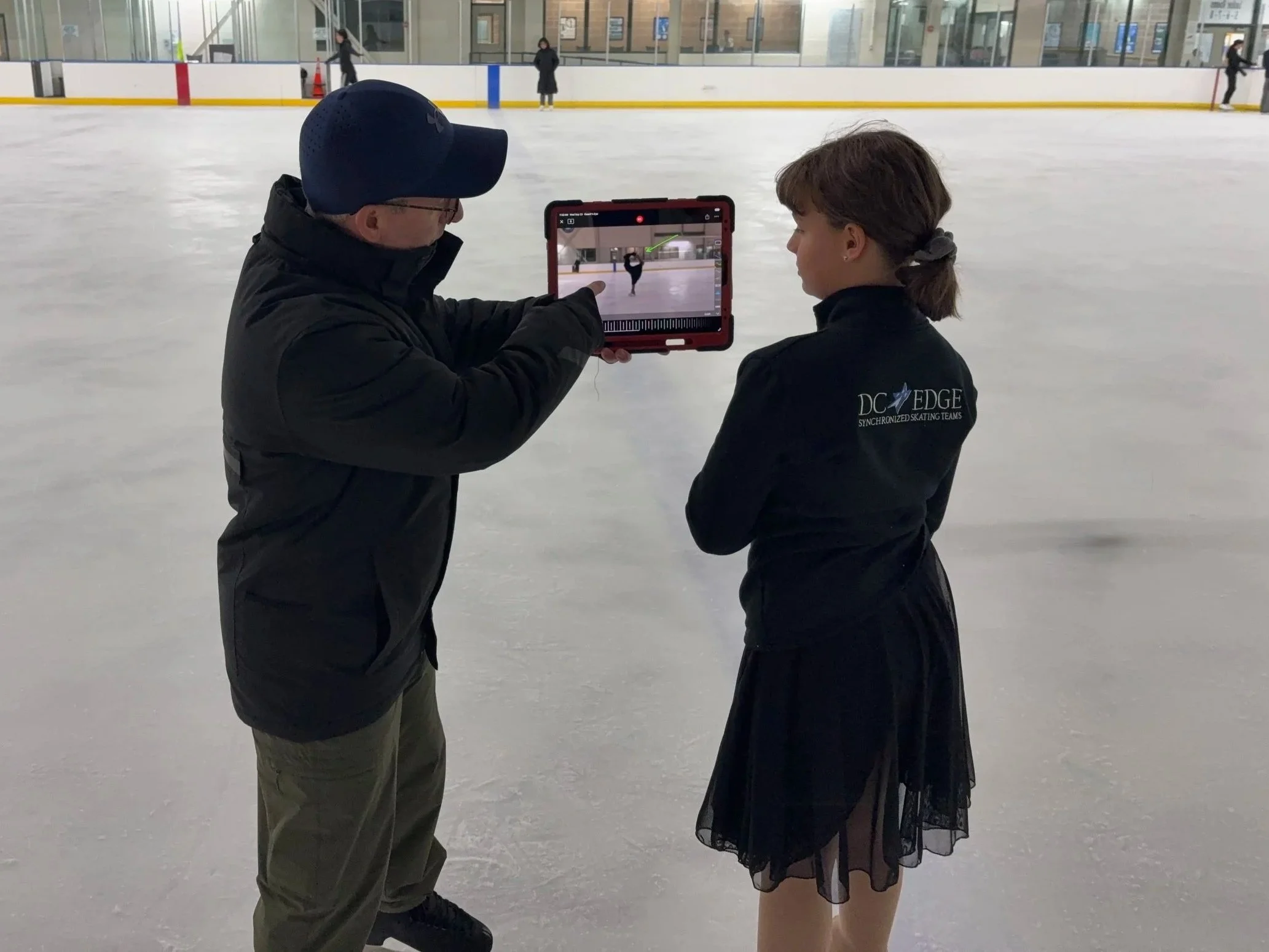
One-on-one coaching designed to help each skater build stronger skills, greater confidence and reach their individual goals. Whether you’re working on fundamentals, preparing for competition, or refining performance, lessons are tailored to your needs.
PERSONALIZED
INSTRUCTION.
SKILL DEVELOPMENT
Build a strong foundation and advance with purpose.

GOAL-FOCUSED
Customized training for tests, competitions and personal growth.

ALL LEVELS WELCOME
From beginners to elite skaters, every skater gets individual attention.
────── COACHING & CHOREOGRAPHY ───────
CREATE SOMETHING MEMORABLE.
Technical coaching and creative choreography designed around the individual skater — their strengths, personality and goals. From competitive and test programs to exhibitions and show numbers, every program should feel like it belongs to the skater.
TECHNICAL DEVELOPMENT
Build stronger skating, movement and performance skills that carry into the program.


CHOREOGRAPHY
Programs created to highlight the skater’s strengths, musicality and personality.

PERFORMANCE
Develop confidence, presentation and the ability to connect with an audience.
────────────SEMINARS ────────────

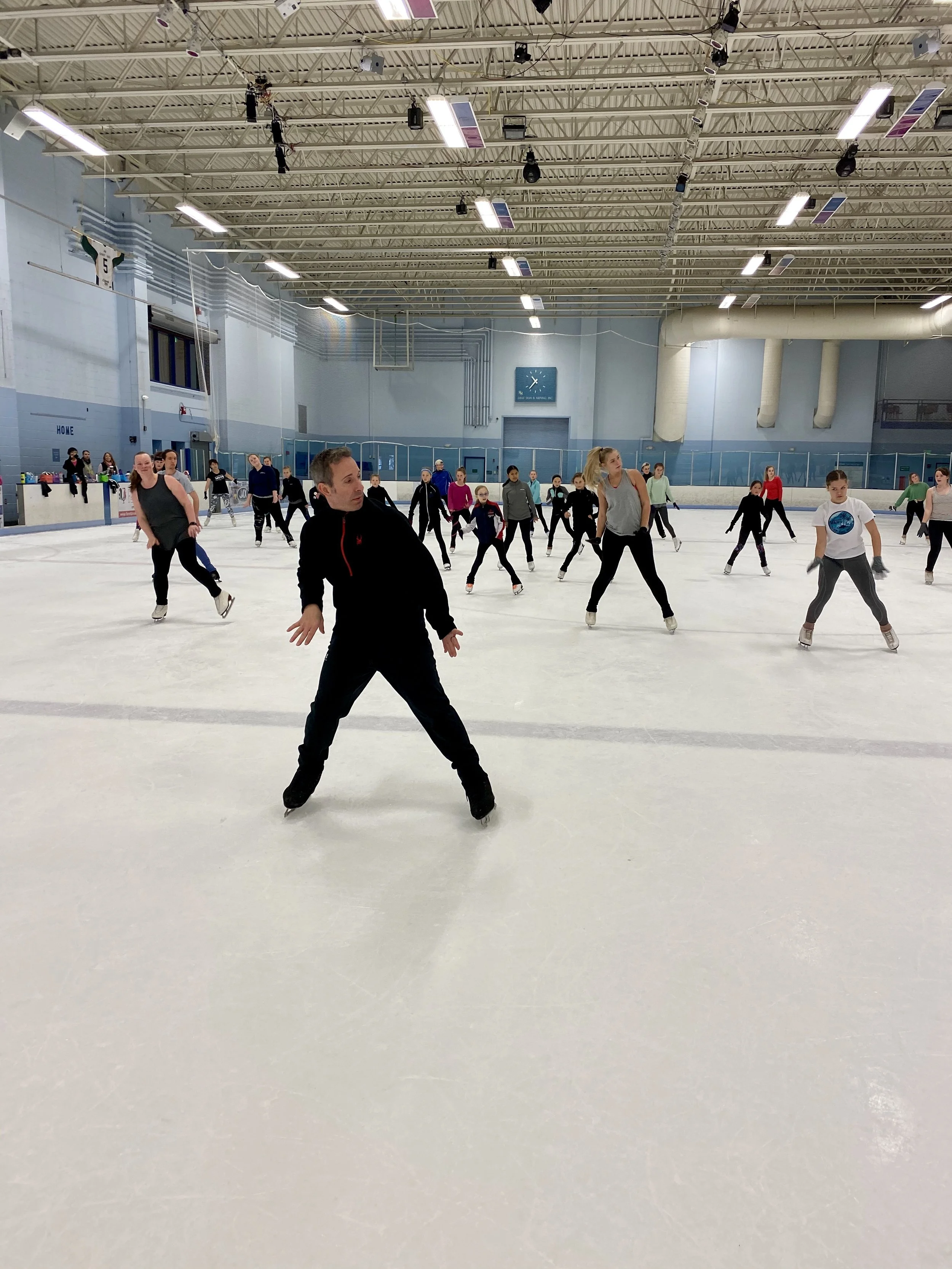
On-ice and off-ice seminars for clubs, teams and groups, customized to your skaters’ needs. From technical skills and edges to choreography, performance and presentation, each seminar is designed to be informative, engaging and fun.
ELEVATE YOUR
PROGRAM.
GROUP LEARNING
Interactive seminars designed for clubs, teams and skaters of all levels.


CUSTOMIZED CONTENT
Tailored to your goals — technical skills, choreography, performance and more.
LASTING RESULTS
Practical takeaways skaters can apply immediately to improve and grow.


───────── COACHES GUIDE. ─────────
GOOD COACHING GOES
BEYOND THE ICE.
Helpful information for skaters and parents navigating lessons, coaching relationships and long-term development.
-
Choosing the right instructor is important, especially in a sport as demanding — and expensive — as figure skating. Whether you're entrusting your child or yourself to a coach for twenty minutes or several hours each week, it's worth taking the time to find the right fit.
Observe and Evaluate
Start by watching potential coaches teach. Pay attention to how they interact with their skaters. Do they motivate effectively? Are they positive and encouraging, more structured and disciplined, or somewhere in between?
Different skaters thrive under different coaching styles. Also consider how the coach teaches. Do they rely primarily on verbal corrections, visual demonstrations, hands-on instruction, or a combination? Understanding how your skater learns best can help determine whether a coach's teaching style is a good match.
Talk to Other Skating Families
Other parents and skaters can be valuable resources. Ask about their experiences with coaches you're considering, but remember that a coach who is perfect for one skater may not be the right fit for another.
Make a list of potential coaches and contact them individually. Ask about availability, rates and whether they're currently accepting new students. Even if a coach appears fully booked, it doesn't hurt to ask about a trial lesson or waiting list.
Try a Lesson
Whenever possible, take a trial lesson before making a long-term decision. A résumé can tell you about someone's experience, but a lesson tells you much more about how that coach and skater actually communicate and work together.
Consider Experience — Not Just Price
When comparing coaches with different rates, consider why those rates may be different. Greater experience, specialized knowledge or a strong history of developing skaters may come at a higher hourly rate.
Choosing a coach based primarily on the lowest price can sometimes cost more in the long run if poor technique eventually has to be corrected.
Make an Informed Decision
Selecting a coach is a significant decision involving personality, teaching style, experience, goals, availability and cost. Take the time to evaluate those factors rather than simply choosing the first available instructor.
The goal isn't to find the coach who is right for everyone. It's to find the coach who is right for your skater.scription text goes here
-
One coach doesn't necessarily need to do everything.
As a skater develops, their needs may extend beyond what any single coach specializes in. Depending on the skater's level and goals, that could mean working with a head coach along with specialists in skating skills, dance, choreography, jumps, spins, off-ice training or other areas.
Start With the Skater's Needs
Determine what the skater is actually trying to accomplish. A beginner developing fundamentals has very different needs from a competitive skater preparing programs, tests and competitions.
The coaching team should evolve with those needs.
Specialists Can Be Valuable
A coach can be excellent at developing jumps while another may have particular expertise in skating skills, choreography or performance. Bringing in another professional doesn't necessarily mean something is wrong with the primary coach.
Sometimes the best thing a coach can do is recognize when another specialist can add something valuable to a skater's development.
Your Coaches Should Be Able to Work Together
If multiple coaches are involved, they should ideally collaborate and respect one another's roles.
Conflicting techniques or instructions can leave a skater confused. A strong coaching team communicates well enough that everyone is helping move the skater toward the same overall goals.
More Isn't Always Better
Adding coaches simply for the sake of having more coaches isn't necessarily productive either. Every person on the team should have a reason for being there.
The objective is not to assemble the largest coaching team. It's to build the right team for that particular skater.
-
Once you've selected a coach, establishing clear expectations early can prevent misunderstandings later.
Skating involves more than the cost of a weekly lesson, so both the skater and parent should understand how the coaching relationship will work.
Understand the Costs
Ask for a clear explanation of the coach's rates and other potential charges. Depending on the skater's level, additional costs may include tests, competitions, choreography, travel, music, meetings or other services.
There shouldn't be surprises simply because nobody thought to ask.
Understand the Cancellation Policy
Know the coach's cancellation policy before a missed lesson happens. Many coaches require advance notice and may charge for lessons cancelled without sufficient notice.
Likewise, ask what happens if the coach has to cancel a lesson and how rescheduling is normally handled.
Set Goals Together
Have an initial conversation about the skater's goals. That might mean passing a particular test, landing a new jump, improving skating skills, preparing for competition or simply becoming a stronger and more confident skater.
Those goals provide a foundation for the training plan and should be revisited as the skater develops.
Schedule Time for Bigger Conversations
Questions are important, but the middle of a session — while the coach is teaching other skaters — usually isn't the best time for a lengthy discussion.
If something requires more than a quick answer, ask the coach when they would prefer to talk or schedule a meeting.
Discuss Communication
Find out how your coach prefers to communicate outside the rink — email, text, phone or scheduled conversations — and what kinds of communication may be included versus billed as coaching time.
Coaches need boundaries just like any other professional, and establishing those expectations early makes the relationship easier for everyone.
Keep Communicating
A productive coaching relationship should never feel like everyone is guessing.
Skater, parent and coach should be able to discuss goals, progress and concerns openly and respectfully. Clear communication allows everyone to focus on the same thing: helping the skater develop.
-
Determining when it's time to change coaches can be difficult. A skater struggling with a goal doesn't automatically mean the coach is doing something wrong, and changing coaches isn't always the solution.
Before making a change, take an objective look at what's actually happening.
Identify the Problem
If a goal isn't being met, clearly define what that goal is and why progress may have stalled.
Was the skater adequately prepared? Is enough training time being devoted to the skill? Does the technique need to change? Is there a physical limitation? Are expectations realistic?
Sometimes the problem is coaching. Sometimes it isn't.
I certainly had physical limitations as a skater — no coach in the world was going to give me a perfect spread eagle! Recognizing what can reasonably be changed is part of setting intelligent goals.
Talk to the Coach
If something isn't working, discuss it with the coach before assuming the relationship needs to end.
A scheduled conversation may reveal that the coach sees the same issue and already has a plan, or that a change in training strategy, additional preparation or help from a specialist would be beneficial.
Evaluate the Relationship
Consider more than test results or competition placements.
Is communication still productive? Does the skater trust the coach? Is the coach still able to motivate and teach the skater effectively? Are the skater's current needs different from when the coaching relationship began?
Sometimes a good coach and a good skater simply reach a point where a different approach would be beneficial.
Look at Results in Context
It can be useful to understand a coach's history and strengths. Some coaches may have particular success advancing competitive skaters, while others excel at developing fundamentals, rebuilding technique or working with certain personalities and learning styles.
Results matter, but they should be considered alongside the individual skaters a coach works with and the goals they're trying to achieve.
Make the Transition Professionally
If you ultimately decide to change coaches, handle the transition respectfully.
Settle any outstanding bills or obligations before moving on. Communicate the decision directly rather than allowing the coach to hear about it from someone else at the rink.
Figure skating is a small community. A professional transition respects the time and effort the previous coach invested in the skater and allows everyone to move forward positively.
Sometimes Change Is the Right Decision
Changing coaches doesn't necessarily mean someone failed.
Skaters grow. Goals change. Personalities develop. Training needs evolve.
The important thing is to make the decision thoughtfully, based on what's best for the skater's continued development rather than reacting to one difficult lesson, test or competition.
──────── A CAREER ON THE ICE ────────
From competitive skating to professional shows, comedy on ice and coaching, my career has given me opportunities I never could have imagined — including working alongside one of the skaters who inspired me in the first place.
SKATING HAS TAKEN ME
EVERYWHERE

EVERYTHING OLD IS NEW AGAIN
In 2009, I had the opportunity to create and perform a comedy program with Olympic champion Scott Hamilton — bringing together two things that have shaped my career: skating and making people laugh.
─────── READY TO GET STARTED? ───────
Whether you’re looking for private instruction, choreography or a seminar, let’s talk about what you need and see if I’m the right fit.
LET’S GET YOU ON THE ICE.
Private lessons • Choreography • Seminars